


Most people who want to improve their health have one goal in common: losing belly fat.
They start exercising regularly, cut down on sugar, switch to healthier foods, and try to stay active. Yet despite their efforts, the fat around the waist often seems to be the last thing to disappear.
This can be incredibly frustrating.
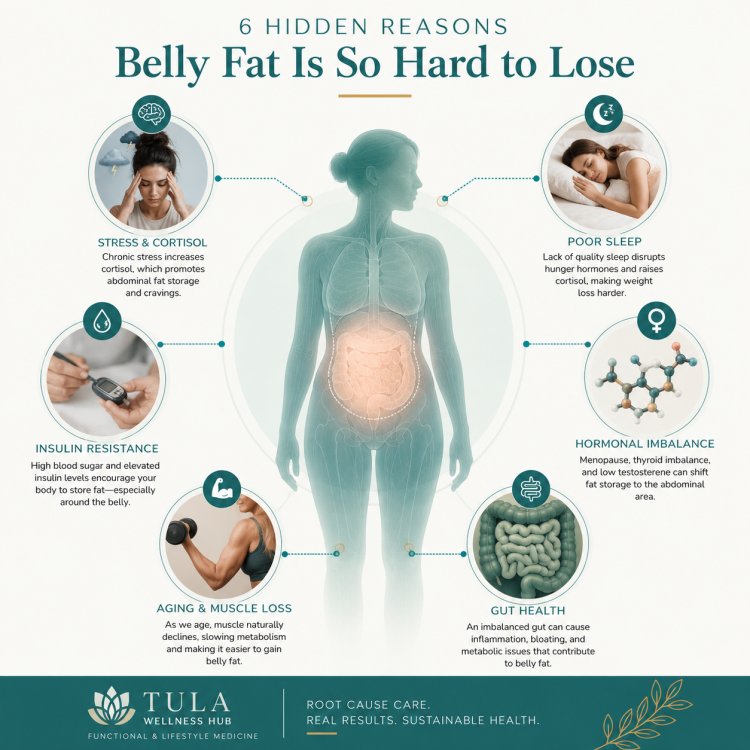
The truth is that belly fat is about much more than calories. While diet and exercise are important, they are only part of the picture. Stress levels, sleep quality, hormone balance, insulin resistance, gut health, aging, and lifestyle habits all influence how and where your body stores fat.
Understanding these hidden drivers can help you move away from quick fixes and focus on the root causes that create sustainable results.
Not All Belly Fat Is the Same
When people talk about belly fat, they often assume all fat around the abdomen is identical. However, there are two very different types.
Subcutaneous Fat
Subcutaneous fat sits just beneath the skin and can be pinched with your fingers. While excess amounts may affect appearance and overall health, it is generally less harmful than deeper abdominal fat.
Visceral Fat
Visceral fat is stored around internal organs such as the liver, pancreas, and intestines. This type of fat is metabolically active and can contribute to chronic inflammation throughout the body.
Research has linked excess visceral fat to:
-
Type 2 diabetes
-
Fatty liver disease
-
High blood pressure
-
Heart disease
-
Metabolic syndrome
A person may not appear significantly overweight yet still carry dangerous levels of visceral fat.
Stress and Cortisol: The Belly Fat Connection
Modern life keeps many people in a constant state of stress.
Work deadlines, financial concerns, family responsibilities, lack of downtime, and digital overload all activate the body's stress response.
When stress becomes chronic, the body produces higher amounts of cortisol, often called the stress hormone.
While cortisol is essential for survival, persistently elevated levels can:
-
Increase abdominal fat storage
-
Trigger cravings for sugary foods
-
Promote emotional eating
-
Disrupt sleep quality
-
Worsen insulin resistance
Many people focus intensely on diet while ignoring stress management. Yet reducing chronic stress may be one of the most important steps toward reducing stubborn belly fat.
Helpful stress-management strategies include:
-
Meditation
-
Yoga
-
Breathwork
-
Walking in nature
-
Journaling
-
Prayer or mindfulness practices
-
Meaningful social connections
Why Poor Sleep Makes Weight Loss More Difficult
Sleep is one of the most overlooked aspects of metabolic health.
Even a perfect diet cannot fully compensate for chronic sleep deprivation.
When you do not get enough quality sleep, several important hormones become disrupted:
Ghrelin Increases
Ghrelin stimulates hunger. Poor sleep often causes ghrelin levels to rise, making you feel hungrier throughout the day.
Leptin Decreases
Leptin signals fullness. Sleep deprivation reduces leptin levels, making it harder to recognize when you have eaten enough.
Cortisol Rises
Lack of sleep also increases cortisol levels, further encouraging abdominal fat accumulation.
People who consistently sleep less than six to seven hours per night often struggle more with weight gain, cravings, and insulin resistance.
Improving sleep may be one of the simplest and most effective ways to support fat loss.
Insulin Resistance: The Hidden Driver of Belly Fat
One of the most common reasons people struggle with abdominal weight gain is insulin resistance.
Insulin helps move glucose from the bloodstream into the body's cells.
When we frequently consume refined carbohydrates, sugary foods, and highly processed meals, insulin levels remain elevated for prolonged periods.
Over time, cells become less responsive to insulin.
This condition is known as insulin resistance.
Common signs include:
-
Increasing waist circumference
-
Sugar cravings
-
Fatigue after meals
-
Elevated blood sugar
-
Difficulty losing weight
-
Increased hunger
When insulin remains high, the body becomes more likely to store fat, particularly around the abdomen.
Strategies that improve insulin sensitivity include:
-
Strength training
-
Walking after meals
-
Adequate protein intake
-
Improved sleep
-
Reducing ultra-processed foods
-
Time-restricted eating when appropriate
Hormones Influence Where Fat Is Stored
Hormones play a major role in determining body composition.
In Women
During perimenopause and menopause, declining estrogen levels can shift fat storage toward the abdomen.
Many women notice increasing belly fat despite maintaining the same eating habits.
In Men
Declining testosterone levels may reduce muscle mass and increase abdominal fat accumulation.
Thyroid Function
An underactive thyroid can slow metabolism, reduce energy levels, and make weight management more challenging.
When hormonal imbalances are present, addressing the underlying issue becomes just as important as improving nutrition and exercise habits.
Aging and Muscle Loss
As we age, maintaining a healthy weight often becomes more challenging.
One major reason is the gradual loss of muscle mass.
Muscle tissue burns more energy than fat tissue, even at rest. As muscle mass decreases, calorie expenditure naturally declines.
This is why many people find it easier to maintain their weight in their twenties than in their forties or fifties.
Regular strength training becomes increasingly important with age because it:
-
Preserves muscle mass
-
Improves insulin sensitivity
-
Supports healthy metabolism
-
Improves mobility and independence
Gut Health Matters More Than You Think
Your digestive system plays a surprisingly important role in weight regulation.
The gut contains trillions of microorganisms that influence:
-
Digestion
-
Inflammation
-
Metabolism
-
Appetite regulation
-
Immune function
An unhealthy gut environment may contribute to chronic inflammation and metabolic dysfunction.
Digestive symptoms such as bloating, constipation, irregular bowel movements, and food intolerances can also make the abdomen appear larger and create significant discomfort.
Supporting gut health involves:
-
Eating whole foods
-
Consuming adequate fiber
-
Staying hydrated
-
Managing stress
-
Chewing food thoroughly
-
Including a variety of plant foods
Why Quick Fixes Rarely Work
Many people search for a single solution to belly fat.
A special supplement.
A detox.
A magic exercise.
Unfortunately, spot reduction is largely a myth.
The body does not selectively burn fat from one area.
Sustainable fat loss occurs when overall metabolic health improves.
Crash diets and extreme exercise programs may create short-term results, but they are often difficult to maintain and can increase physical and emotional stress.
Long-term success comes from consistent habits practiced over months and years.
Dr. Priya's Insight
At Tula Wellness Hub, we often see patients who feel discouraged because they are doing "everything right" but still struggle with belly fat.
In many cases, the missing piece is not another diet.
It may be chronic stress, poor sleep, insulin resistance, hormonal changes, gut dysfunction, or a combination of these factors.
Rather than focusing solely on the number on the scale, focus on creating a healthier body that functions efficiently, feels energetic, and supports long-term wellness.
When the underlying causes are addressed, sustainable fat loss often becomes a natural result of improved overall health.
Frequently Asked Questions
Can stress really cause belly fat?
Yes. Chronic stress increases cortisol levels, which can encourage fat storage around the abdomen and increase cravings for high-calorie foods.
Is visceral fat dangerous?
Visceral fat is associated with a higher risk of diabetes, heart disease, fatty liver disease, and metabolic syndrome.
Can poor sleep prevent weight loss?
Absolutely. Sleep deprivation disrupts hunger hormones, increases cortisol, and worsens insulin resistance.
Does gut health affect body weight?
The gut microbiome influences metabolism, inflammation, digestion, and appetite regulation, all of which impact weight management.
What is the best exercise for reducing belly fat?
A combination of strength training, regular walking, cardiovascular exercise, and sustainable nutrition habits is most effective.
Takeaway
Belly fat is often a symptom rather than the root problem.
Stress, poor sleep, insulin resistance, hormonal changes, aging, and gut health all influence how the body stores fat.
Addressing these root causes creates a foundation for lasting health, sustainable weight management, and improved overall wellbeing.







Dr. Priya Vasudevan M.D, AB. Dip ABLM