


Modern lifestyles have shifted dramatically toward indoor living. Research suggests that people now spend 80–90% of their time indoors—whether at home, in offices, clinics, or other enclosed environments.
Because of this, the quality of our indoor environment plays a major role in our health. Air quality, humidity, lighting, and even visual surroundings can influence our physical and mental well-being.
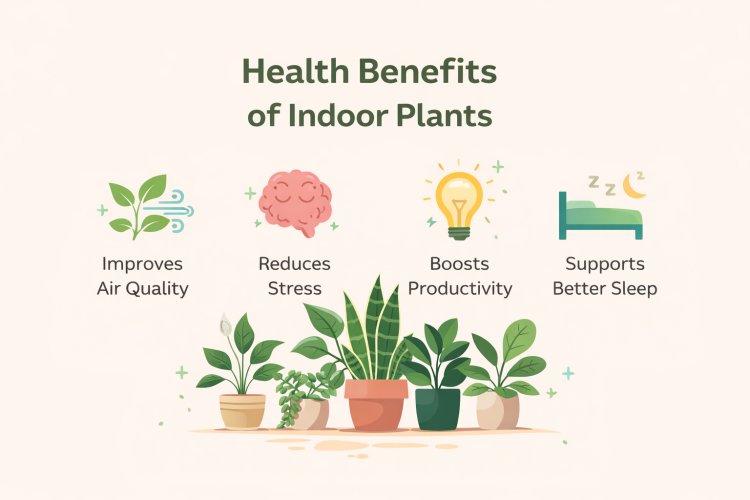
One of the simplest and most natural ways to improve indoor environments is by introducing indoor plants. Beyond their aesthetic appeal, houseplants can support better air quality, emotional balance, and a healthier living space.
In this article, we explore the science and holistic benefits of indoor plants and why bringing greenery indoors may be one of the easiest wellness upgrades you can make.
The Human Connection to Nature
Humans have an inherent relationship with nature. Environmental psychology refers to this as biophilia—the natural tendency for humans to seek connections with nature and other living systems.
Exposure to natural elements such as:
-
greenery
-
sunlight
-
fresh air
-
natural textures
has been shown to positively influence both mental and physical health.
Indoor plants recreate a small piece of nature inside our homes and workplaces. Even simple interactions such as watering plants, observing their growth, or arranging them in a room can create a calming and grounding experience.
For many people living in urban environments, indoor plants provide a meaningful way to reconnect with nature in everyday life.
How Indoor Plants Improve Indoor Air Quality
One of the most commonly discussed benefits of houseplants is their potential to improve indoor air quality.
Plants perform photosynthesis, a natural process where they:
-
absorb carbon dioxide
-
release oxygen
This process contributes to a healthier indoor atmosphere.
Some studies also suggest that plants may help reduce certain indoor pollutants by absorbing airborne chemicals through their leaves and root systems.
However, it is important to understand that plants alone cannot completely purify indoor air. Proper ventilation, clean living spaces, and air circulation remain essential.
Still, indoor plants can support a fresher indoor environment and reduce minor contaminants.
Natural Regulation of Indoor Humidity
Plants release moisture into the air through a natural process known as transpiration.
During transpiration:
-
Plants absorb water through their roots
-
Water travels through the plant
-
Moisture evaporates from the leaves into the surrounding air
This process can slightly increase humidity levels indoors.
Balanced indoor humidity may help:
-
reduce dry skin and lips
-
prevent throat irritation
-
decrease dry cough caused by very dry air
-
improve overall comfort in air-conditioned environments
In regions with heavy air-conditioning use, indoor plants may help create a more balanced and comfortable microclimate.
Mental Health Benefits of Indoor Plants
The psychological benefits of plants are among the most well-documented advantages of indoor greenery.
Research in environmental psychology shows that exposure to plants can lower stress levels and promote relaxation.
Some mental health benefits include:
-
reduced anxiety and stress
-
improved mood
-
decreased mental fatigue
-
greater emotional balance
Simply viewing greenery can activate calming responses in the brain.
Caring for plants also provides a sense of purpose and accomplishment. Watching plants grow and thrive often brings emotional satisfaction and comfort.
For people dealing with busy schedules, digital overload, or work stress, plants offer a small but meaningful mental break.
Indoor Plants and Productivity
Indoor plants may also improve focus and productivity.
Several workplace studies have found that offices with plants experience better concentration, creativity, and employee satisfaction.
Greenery softens artificial environments and makes spaces feel more welcoming.
When people feel relaxed in their surroundings, they often perform tasks more efficiently.
Students and professionals working long hours indoors may benefit from placing plants in their:
-
study desks
-
home offices
-
clinic spaces
-
workstations
Do Indoor Plants Help with Better Sleep?
Certain indoor plants may contribute to a more restful sleep environment.
Most plants release oxygen during the day and carbon dioxide at night. However, some plants follow a different metabolic pathway known as Crassulacean Acid Metabolism (CAM).
CAM plants absorb carbon dioxide at night and can continue oxygen exchange during nighttime cycles.
Examples include:
-
Snake Plant (Sansevieria trifasciata)
-
Aloe Vera
-
Orchids
-
Night-Blooming Cactus (Epiphyllum oxypetalum)
Because of this, these plants are often recommended for bedrooms.
However, their oxygen contribution is relatively small compared with proper ventilation. Maintaining good airflow and room ventilation remains essential.
Indoor Plants Encourage Mindfulness
Caring for plants encourages slow living and mindfulness.
Activities such as:
-
watering plants
-
pruning leaves
-
repotting
-
observing growth
can act as simple daily rituals that help people stay present.
For families and children, indoor gardening can also become an educational experience, teaching curiosity about biology, ecology, and nature.
These small habits help reduce screen time and promote healthier lifestyle routines.
Aesthetic and Emotional Benefits of Plants
Indoor plants significantly enhance the visual appeal of living and working spaces.
Green spaces naturally create a sense of:
-
comfort
-
warmth
-
calmness
Healthcare environments that incorporate plants often feel more welcoming and less intimidating to patients.
Even a few well-placed plants can transform a sterile room into a more vibrant, peaceful environment.
Easy Indoor Plants for Beginners
If you’re new to indoor gardening, these plants are easy to maintain and adapt well to indoor conditions:
Snake Plant
Extremely resilient and requires minimal watering.
Aloe Vera
A medicinal plant that also thrives indoors.
Spider Plant
Very adaptable and excellent for beginners.
Peace Lily
Adds elegance and thrives in indirect sunlight.
Areca Palm
Popular for brightening living spaces.
Money Plant
A hardy plant commonly found in homes.
Rubber Plant
Large, glossy leaves that enhance indoor décor.
These plants typically require:
-
moderate watering
-
indirect sunlight
-
occasional pruning
A Simple Wellness Habit for a Healthier Home
Houseplants may seem like a small addition to a home or workspace, but their impact can be meaningful.
They contribute to:
-
improved indoor air freshness
-
emotional well-being
-
better productivity
-
balanced humidity
-
more aesthetically pleasing environments
While plants alone cannot solve all environmental issues, they can play a supportive role in creating healthier indoor spaces.
Sometimes, the smallest lifestyle changes—like adding a few plants to your home—can gently nurture balance, calm, and vitality in everyday life.
Final Thoughts from Tula Wellness Hub
At Tula Wellness Hub, we believe wellness often begins with simple lifestyle practices that reconnect us with nature.
Bringing greenery indoors is one of the easiest ways to create a more peaceful and health-supportive environment.
Even a few plants can transform a room into a calming, refreshing space that supports both body and mind.
Author
Dr. Priya Vasudevan, MD
American Board-Certified Family Physician
Founder – Tula Wellness Hub
Coimbatore, India






Dr. Priya Vasudevan M.D, AB. Dip ABLM