


Why Interstitial Fluid May Be the Missing Link to Better Health
When we think about what keeps our bodies alive, we usually think of the heart pumping blood through our arteries and veins. Blood carries oxygen, nutrients, hormones, and immune cells throughout the body, so it's easy to assume that it does all the heavy lifting.
But what if I told you that your cells don't receive nutrients directly from your blood?
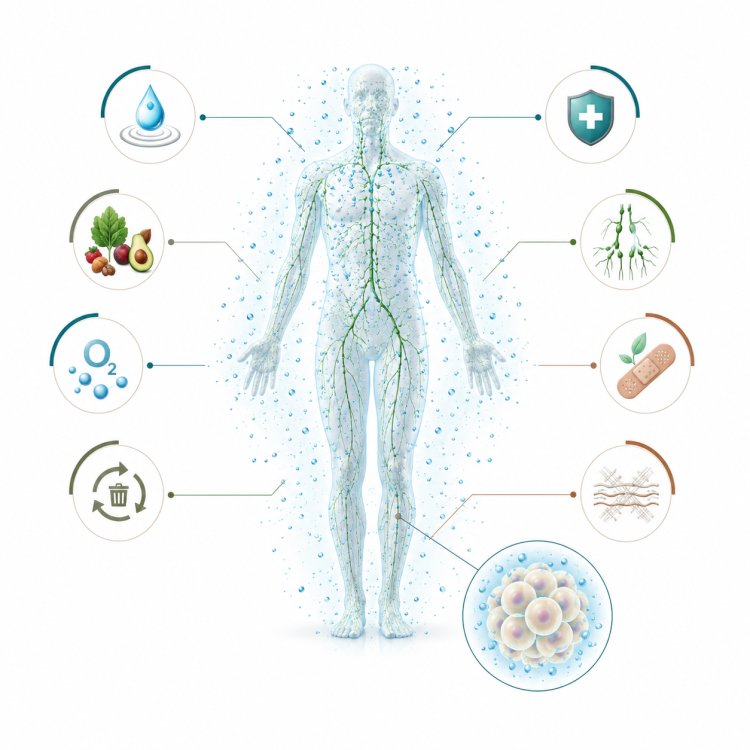
Between your blood vessels and your cells lies an extraordinary microscopic environment that quietly nourishes every cell, removes waste, supports healing, and allows different parts of the body to communicate with one another.
This hidden world is called interstitial fluid.
Although it rarely receives attention outside scientific research, interstitial fluid is one of the most important components of human health. Every cell in your body lives in it. Every nutrient must pass through it before reaching a cell. Every waste product leaves a cell through it. Every signal that coordinates healing, immunity, and tissue repair travels through this remarkable fluid.
You may never see it, but without healthy interstitial fluid, life simply wouldn't be possible.
What Is Interstitial Fluid?
The human body is made up of approximately 60% water, but that water isn't distributed evenly. While most of it is contained inside our cells, a significant portion exists outside them as interstitial fluid.
Imagine every one of the 30–40 trillion cells in your body sitting in its own tiny freshwater lake.
That lake is interstitial fluid.
It fills the microscopic spaces between cells, creating the environment in which every cell lives and functions. Before oxygen, nutrients, hormones, or medications can enter a cell, they first travel through this fluid. Likewise, carbon dioxide and waste products must pass back through it before being removed from the body.
Unlike blood, which stays within blood vessels, interstitial fluid is in direct contact with your cells. In many ways, it acts as your body's internal ecosystem, maintaining the conditions that allow cells to survive and thrive.
More Than Just Water
For many years, scientists believed interstitial fluid simply occupied the empty spaces between tissues. Today, we know it is far more than that.
Interstitial fluid is a living communication network that contains:
- Oxygen and nutrients
- Electrolytes that regulate cellular function
- Hormones carrying messages throughout the body
- Growth factors that support tissue repair
- Immune cells that defend against infection
- Cytokines that coordinate inflammation
- Waste products waiting to be removed
Rather than being passive, this fluid constantly exchanges information between cells, helping every organ work in harmony.
Think of it as the body's internal conversation. Every second, trillions of tiny messages pass through this microscopic environment, telling cells when to grow, repair, fight infection, conserve energy, or calm inflammation.
Why Healthy Interstitial Fluid Matters
Because every cell depends on this fluid, its health influences almost every system in the body.
Healthy interstitial fluid helps:
- Deliver oxygen efficiently
- Transport nutrients to tissues
- Remove cellular waste
- Maintain electrolyte balance
- Support immune surveillance
- Facilitate communication between cells
- Promote tissue repair after injury
When this environment becomes unhealthy—whether because of chronic inflammation, poor circulation, prolonged inactivity, or metabolic disease—cells may not function as efficiently. This doesn't mean interstitial fluid is the direct cause of disease, but it can influence how well tissues receive nutrients, communicate, and recover.
The Unsung Hero of Healing
Think about what happens when you cut your finger or sprain your ankle.
Most of us imagine blood clotting and the wound slowly closing. But behind the scenes, interstitial fluid becomes one of the busiest environments in the body.
It helps:
- Deliver immune cells to the injured tissue
- Carry proteins and growth factors needed for repair
- Remove damaged cellular debris
- Support the rebuilding of healthy tissue
Efficient movement of this fluid helps create an environment where healing can progress smoothly. If tissue fluid movement is impaired, swelling may persist, nutrient delivery may become less efficient, and recovery can take longer.
This is one reason recovery depends on much more than healthy blood circulation. The microscopic environment surrounding your cells also matters.
The Connection Between Interstitial Fluid
and the Lymphatic System
Many people have heard of the lymphatic system but don't realize how closely it is connected to interstitial fluid.
Every day, several litres of interstitial fluid are collected by tiny lymphatic vessels. Once inside these vessels, the fluid becomes lymph and passes through lymph nodes, where immune cells inspect it for bacteria, viruses, toxins, and abnormal cells before it eventually returns to the bloodstream.
If this drainage slows, excess fluid can accumulate in the tissues, leading to swelling known as edema.
This relationship highlights an important principle: healthy fluid movement is not just about blood flow. Blood vessels, interstitial fluid, and the lymphatic system work together as an integrated network to nourish tissues, remove waste, and support immune function.
Why Movement Is Essential for Healthy Interstitial Fluid
Unlike blood, which is pumped around the body by the heart, interstitial fluid has no dedicated pump. Instead, it relies on the natural movements of your body.
Every time you walk, stretch, take a deep breath, or contract your muscles, you gently compress the tissues around you. This mechanical action encourages interstitial fluid to move, helping deliver nutrients to cells and carry away metabolic waste.
On the other hand, prolonged sitting or remaining in the same position for hours slows this natural movement. This is one reason many people feel stiff after a long car ride or a day spent at a desk. It isn't simply because the muscles are inactive—fluid movement within the tissues has also slowed.
Regular movement throughout the day isn't just good for burning calories or improving cardiovascular fitness. It helps maintain the microscopic environment in which every cell lives.
Even small actions can make a difference:
-
Taking a short walk every hour
-
Stretching between periods of sitting
-
Climbing stairs instead of using the lift
-
Practising yoga or mobility exercises
-
Taking slow, deep diaphragmatic breaths
Your cells benefit every time you move.
The Fascia Connection
If you've read our previous blog on fascia, you'll know that fascia is a continuous web of connective tissue that surrounds muscles, bones, nerves, blood vessels, and organs.
Recent research has revealed an intimate relationship between fascia and interstitial fluid.
Fascia contains microscopic channels filled with interstitial fluid, allowing tissues to glide smoothly against one another during movement. Healthy fascia is well hydrated, flexible, and resilient.
However, injury, inactivity, chronic inflammation, repetitive strain, or prolonged poor posture can cause fascia to become restricted. When this happens, fluid movement within these tissues may also become less efficient.
This may contribute to:
-
Stiffness
-
Reduced flexibility
-
Slower recovery
-
Discomfort during movement
-
Persistent aches
This is another reminder that the body functions as one interconnected system. Healthy movement supports fascia, and healthy fascia supports efficient fluid movement.
Interstitial Fluid and Chronic Inflammation
Inflammation is a natural and essential part of healing.
When you injure yourself or develop an infection, inflammatory cells travel through interstitial fluid to help repair damaged tissue and protect against harmful organisms.
Problems arise when inflammation becomes chronic.
Conditions such as obesity, insulin resistance, diabetes, autoimmune diseases, persistent stress, poor sleep, smoking, and a highly processed diet can create a prolonged inflammatory environment.
Over time, inflammatory chemicals accumulate within the tissues. Immune cells remain activated, and the composition of interstitial fluid changes.
Instead of creating an environment that promotes healing, the tissue environment may begin to encourage ongoing inflammation.
This altered environment can influence how cells communicate, recover, and function.
While inflammation is rarely caused by one single factor, supporting metabolic health, improving nutrition, sleeping well, moving regularly, and managing stress all help create a healthier environment around every cell.
Why Scientists Are Paying More Attention to Interstitial Fluid
For many years, blood tests have been the primary way we assess health.
Today, researchers are increasingly interested in interstitial fluid because it provides a real-time snapshot of what is happening directly around our cells.
This fluid contains:
-
Hormones
-
Electrolytes
-
Proteins
-
Immune molecules
-
Metabolic by-products
-
Chemical messengers
One of the best-known examples is the Continuous Glucose Monitor (CGM).
Rather than measuring glucose directly from the bloodstream every few minutes, a CGM measures glucose in the interstitial fluid just beneath the skin. Because glucose moves from the blood into this fluid before entering cells, interstitial fluid provides an accurate picture of changing glucose trends throughout the day.
Researchers are now exploring wearable technologies capable of monitoring additional biomarkers from interstitial fluid. In the future, these advances may allow us to better understand inflammation, metabolism, recovery, and overall health in real time.
How to Support Healthy Interstitial Fluid
Fortunately, supporting interstitial fluid doesn't require expensive supplements or complicated treatments. It begins with the same healthy habits that benefit nearly every system in the body.
Stay Hydrated
Water is the foundation of healthy interstitial fluid. Drink enough fluids throughout the day, adjusting your intake based on your activity level, climate, and overall health.
Move Frequently
Avoid sitting for prolonged periods. Aim to stand up, stretch, or walk every 30–60 minutes.
Exercise Regularly
Walking, resistance training, yoga, swimming, cycling, and mobility exercises all encourage healthy tissue circulation.
Practise Deep Breathing
The movement of the diaphragm during slow, deep breathing gently assists lymphatic and interstitial fluid movement while also helping calm the nervous system.
Prioritise Quality Sleep
Sleep is when much of the body's repair and recovery takes place. Consistent, restorative sleep supports tissue healing and overall metabolic health.
Eat a Nutrient-Dense Diet
A diet rich in vegetables, fruits, legumes, healthy fats, nuts, seeds, and quality protein provides the nutrients needed for healthy tissues while helping regulate inflammation.
Reduce Chronic Stress
Long-term stress can influence inflammation, circulation, immune function, and tissue health. Building regular moments of calm into your day benefits every cell in your body.
Dr. Priya's Insight
One of the most beautiful aspects of Functional Medicine is learning to appreciate the body's hidden systems.
Most people think health depends only on organs—the heart, liver, kidneys, or lungs. But every one of these organs is made up of trillions of cells, and every cell depends on the quality of its environment.
Interstitial fluid is that environment.
When we improve hydration, move regularly, sleep well, reduce inflammation, nourish ourselves with whole foods, and manage stress, we're not simply checking off healthy habits. We're improving the microscopic world that surrounds every cell.
Healing doesn't happen in isolation. It happens because we create the right conditions for the body to do what it was designed to do.
Sometimes the most important systems are the ones we rarely notice.
Frequently Asked Questions
What is interstitial fluid?
Interstitial fluid is the clear fluid that surrounds nearly every cell in the body. It delivers nutrients, removes waste products, and helps cells communicate with one another.
Is interstitial fluid the same as lymph?
No. Interstitial fluid surrounds tissues. When it enters the lymphatic vessels, it becomes lymph before eventually returning to the bloodstream.
Why is movement important for interstitial fluid?
Unlike blood circulation, interstitial fluid movement depends largely on muscle contractions, body movement, and deep breathing. Regular movement helps maintain healthy tissue circulation.
Can dehydration affect interstitial fluid?
Yes. Adequate hydration supports healthy fluid balance throughout the body, including the interstitial spaces where cells receive nutrients and remove waste.
How is interstitial fluid connected to fascia?
Fascia contains microscopic channels filled with interstitial fluid. Healthy fascia allows tissues to glide smoothly and supports efficient fluid movement.
Does a Continuous Glucose Monitor measure blood sugar?
Not directly. A CGM measures glucose levels in interstitial fluid, which closely reflect changes in blood glucose over time.
Key Takeaways
-
Interstitial fluid surrounds every cell in the body and serves as its immediate environment.
-
It delivers nutrients, removes waste, carries hormones, and supports immune communication.
-
Healthy movement, hydration, sleep, and nutrition help maintain efficient fluid circulation.
-
Interstitial fluid works closely with the lymphatic system and fascia to support healing and recovery.
-
Chronic inflammation can alter the composition of interstitial fluid and affect cellular function.
-
Looking after this hidden transport system is another way of supporting long-term health from the inside out.
Your Cells Thrive in the Right Environment
Every day, trillions of your cells depend on a healthy internal environment to function, repair, and communicate effectively.
Although interstitial fluid rarely receives the attention given to blood or the lymphatic system, it quietly supports every aspect of life—from healing a small cut to maintaining healthy muscles, organs, and immune function.
At Tula Wellness Hub, we believe true wellness begins at the cellular level. Through Functional and Lifestyle Medicine, we focus on creating the conditions that allow your body to heal naturally by supporting nutrition, movement, sleep, stress management, metabolic health, and recovery.
Because when the environment around your cells improves, your health often follows.
Book a Functional Medicine consultation to discover how small lifestyle changes can create lasting improvements in your long-term health.








Dr. Priya Vasudevan M.D, AB. Dip ABLM