


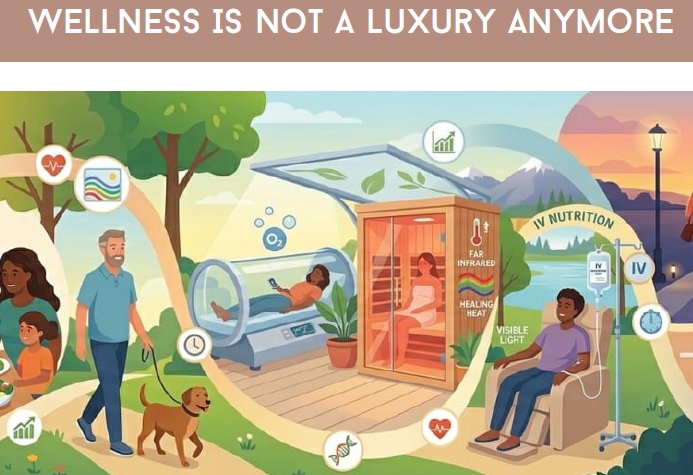
For many years, wellness was viewed as something optional — something reserved for people with extra time, money, or a certain lifestyle. It was often associated with vacations, spa treatments, or temporary self-care trends.
But the reality today looks very different.
We live in a world where exhaustion has quietly become normalized. Many people wake up tired, depend on caffeine to get through the day, struggle with stress, poor sleep, digestive discomfort, headaches, hormonal imbalance, low immunity, and mental fatigue — while continuing to function as though this is simply part of modern life.
The truth is: it should not be.
Wellness is no longer a luxury. It has become a necessity for maintaining energy, resilience, productivity, emotional balance, and long-term health.
The Modern Health Crisis No One Talks About
Modern lifestyles place the human body under continuous pressure.
Long work hours, excessive screen exposure, irregular eating habits, chronic stress, environmental toxins, poor sleep quality, sedentary routines, and nutrient depletion all contribute to a body that is constantly trying to “catch up” with recovery.
Many individuals wait until symptoms become severe before taking action. But the body often gives subtle warning signs much earlier.
Common Early Signs of Burnout and Poor Recovery
- Persistent fatigue
- Poor concentration
- Low mood
- Disturbed sleep
- Bloating and digestive discomfort
- Frequent headaches
- Reduced exercise tolerance
- Frequent illness
- Body aches and inflammation
- Emotional burnout
These symptoms are often signals that the body’s recovery systems are overwhelmed.
Wellness Is About Recovery, Not Perfection
One of the biggest misconceptions about wellness is that it requires perfection.
True wellness is not about following an extreme routine or doing everything “perfectly.” It is about consistently supporting the body enough that it can repair, adapt, and function optimally.
One healthy meal will not transform health overnight.
Similarly, one stressful week does not completely ruin health.
The body responds to patterns over time.
Wellness is built through repeated daily habits that either support or burden the body.
The Shift From Reactive Healthcare to Preventive Healthcare
Healthcare is slowly shifting from a reactive model to a preventive and restorative approach.
Instead of waiting for disease to develop, more people are now focusing on improving their health through:
- Quality sleep
- Balanced nutrition
- Regular movement
- Stress management
- Nervous system regulation
- Recovery therapies
- Metabolic health support
- Improved gut health
- Breathwork and mindfulness
Science continues to show that the human body has remarkable healing potential when given the right environment and support.
Why Recovery Has Become the Missing Piece of Modern Health
Modern stress keeps the body in a prolonged “fight or flight” state.
Over time, this affects:
- Sleep quality
- Digestion
- Hormonal balance
- Emotional resilience
- Immune function
- Inflammation levels
- Cellular recovery
Recovery is no longer something meant only for athletes.
It has become essential for anyone navigating the demands of modern life.
The Role of Advanced Wellness Therapies
Alongside foundational lifestyle habits, recovery-focused therapies are increasingly being explored to support cellular health, circulation, oxygen delivery, stress recovery, and overall vitality.
Hyperbaric Oxygen Therapy (HBOT)
Hyperbaric Oxygen Therapy helps improve oxygen availability to tissues and may support cellular recovery, energy production, healing, and overall wellness.
Many individuals explore HBOT for fatigue, recovery support, brain health, athletic performance, and healthy aging.
Infrared Sauna Therapy
Infrared Sauna Therapy supports relaxation, circulation, detoxification pathways, muscle recovery, and stress reduction.
Infrared heat may also help support parasympathetic nervous system activation — helping the body move out of chronic stress mode.
Red Light Therapy
Red Light Therapy is increasingly being studied for cellular repair, mitochondrial support, collagen production, recovery, and energy optimization.
IV Nutrition Therapy
IV Nutrition Therapy may help replenish nutrients in individuals experiencing fatigue, poor absorption, chronic stress, or increased nutritional demands.
These therapies work best when combined with sustainable lifestyle habits rather than used as standalone solutions.
Small Daily Habits Create Long-Term Health
Wellness is not built through extremes.
It is built through consistency.
Simple daily practices can create a major long-term impact:
- Morning sunlight exposure
- Balanced meals rich in whole foods
- Proper hydration
- Quality sleep
- Strength and movement
- Breathwork
- Recovery time
- Stress management
- Healthy social connection
The body constantly responds to how we live each day.
Why Younger People Are Feeling Burnt Out Earlier
Burnout is no longer something seen only later in life.
Today, even younger individuals are experiencing exhaustion due to:
- Digital overload
- Poor sleep habits
- Constant stimulation
- Irregular schedules
- Chronic stress
- Lack of recovery
Many people appear functional externally while silently struggling internally with low energy, emotional fatigue, and poor resilience.
Wellness Is Not Vanity — It Is Vitality
Wellness is not about aesthetics alone.
It is about vitality.
Having energy, sleeping well, thinking clearly, maintaining emotional balance, and feeling resilient are foundational aspects of health.
When health declines, it affects:
- Productivity
- Relationships
- Confidence
- Mental clarity
- Emotional stability
- Long-term quality of life
Investing in wellness is investing in long-term vitality.
The Nervous System Matters More Than We Realize
The nervous system plays a central role in:
- Energy production
- Digestion
- Immunity
- Hormonal balance
- Recovery
- Emotional well-being
Chronic stress keeps the body in survival mode, making healing more difficult.
Proper rest, deep breathing, nervous system regulation, and recovery are biological necessities — not luxuries.
A More Holistic Approach to Healthcare
At Tula Health, we believe healthcare should go beyond symptom management.
Our approach focuses on supporting long-term vitality through preventive care, recovery-focused therapies, lifestyle medicine, and holistic wellness practices.
Health is not built overnight.
It is created through consistent daily care, awareness, and intentional living.
Frequently Asked Questions
Is wellness really necessary even if I don’t have a disease?
Yes. Wellness focuses on maintaining energy, resilience, metabolic health, and recovery before disease develops.
What are the early signs that my body needs recovery?
Fatigue, poor sleep, bloating, low mood, poor concentration, body pain, and frequent illness can all be early warning signs.
What is preventive healthcare?
Preventive healthcare focuses on lifestyle habits, nutrition, stress management, movement, sleep, and recovery to support long-term health.
Can therapies like HBOT and infrared sauna replace healthy habits?
No. These therapies work best alongside proper nutrition, sleep, movement, stress management, and recovery-focused living.
How does stress affect long-term health?
Chronic stress impacts the nervous system, digestion, hormones, sleep quality, immunity, and inflammation levels over time.
Dr. Priya’s Insight
The future of healthcare is shifting from simply treating disease to preserving vitality, resilience, and quality of life.
In today’s fast-paced world, recovery, nourishment, rest, movement, and preventive care are becoming essential for everyone — not just a select few.
Taking care of your health is one of the most valuable long-term investments you can make.
Because when you feel well, you live better.
Find Your Balance with Tula
Tula Health Website







Dr. Priya Vasudevan M.D, AB. Dip ABLM